
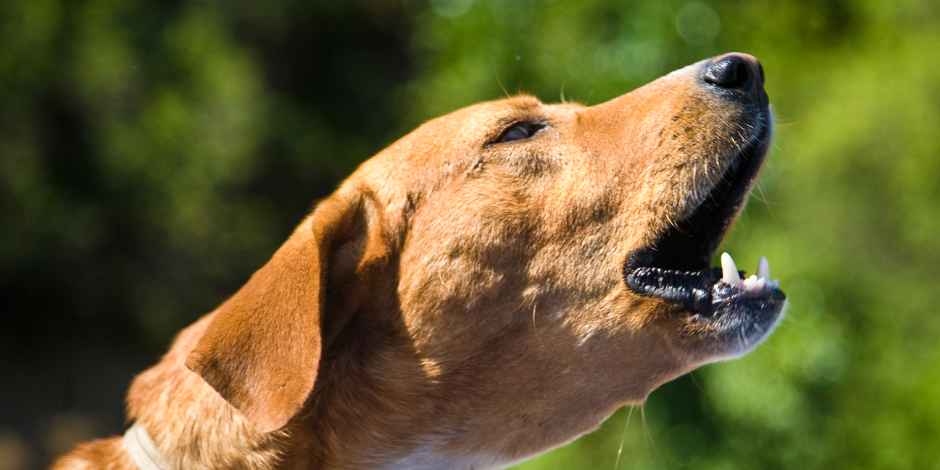
Coughing in dogs can be a sign of various health issues ranging from mild irritations to more serious conditions. It’s important to understand the cause of the cough to ensure proper treatment and prevention. MT Puppy care is provide a detailed explanation of the common causes, cures, and prevention tips for dog coughing.
What Causes Dog Coughing?
Coughing in dogs can be triggered by multiple factors. Understanding these causes is the first step in diagnosing and treating your pet’s condition.
Kennel Cough (Canine Infectious Tracheobronchitis)
-
Description: Kennel cough is a highly contagious respiratory infection caused by viruses and bacteria, most commonly Bordetella bronchiectasis. It typically spreads in environments where dogs are in close quarters, such as kennels or dog parks.
-
Symptoms: A dry, hacking cough, often followed by gagging. There may also be nasal discharge and mild fever.
-
Treatment: In most cases, kennel cough resolves on its own, but antibiotics or cough suppressants may be prescribed to help manage symptoms. Severe cases may require hospitalization.
-
Prevention: Vaccination against Bordetella can reduce the risk of kennel cough. Keeping your dog away from infected areas also helps.
Heart Disease
-
Description: Heart disease in dogs, such as congestive heart failure (CHF), can cause coughing due to fluid build-up in the lungs.
-
Symptoms: Persistent cough, especially at night or after exercise, lethargy, difficulty breathing, and loss of appetite.
-
Treatment: Treatment usually involves medications to manage the heart condition and reduce fluid in the lungs. Diuretics, ACE inhibitors, and other heart medications are commonly prescribed.
-
Prevention: Regular vet check-ups, managing obesity, and maintaining a healthy diet can help prevent heart disease.
Collapsing Trachea
-
Description: This condition occurs when the cartilage rings in a dog’s trachea (windpipe) weaken, causing the trachea to collapse and restrict airflow.
-
Symptoms: A honking cough, labored breathing, and difficulty exercising. It is more common in small breeds like Chihuahuas and Pomeranians.
-
Treatment: Mild cases may require medication to reduce inflammation and control coughing, while severe cases might need surgery or the use of a tracheal stent.
-
Prevention: Avoiding excessive pressure on the trachea (e.g., using a harness instead of a collar) can help prevent the worsening of this condition.
Allergies
-
Description: Dogs can be allergic to various environmental factors, including pollen, dust mites, mold, or certain foods. Allergic reactions may cause coughing due to inflammation in the airways.
-
Symptoms: Sneezing, coughing, watery eyes, and itchy skin.
-
Treatment: Antihistamines, corticosteroids, or other allergy medications prescribed by a vet can help control allergic reactions. Environmental management, such as keeping your dog indoors during allergy season, may also be beneficial.
-
Prevention: Identifying and minimizing exposure to allergens can help reduce the risk of allergic reactions.
Respiratory Infections
-
Description: Respiratory infections caused by bacteria or viruses (such as canine influenza) can lead to coughing in dogs.
-
Symptoms: May involve coughing spells, runny nose, fever, weakness, and lack of hunger.
-
Treatment: Antibiotics, antiviral medications, and supportive care (like fluids and rest) are usually required. If the infection is bacterial, antibiotics are essential.
-
Prevention: Vaccines for canine influenza and Bordetella can prevent certain respiratory infections. Good hygiene and limiting exposure to sick animals are also helpful.
Parasites
-
Description: Heartworms and lungworms can affect dogs and cause coughing as a symptom. These parasites live in the heart or lungs and can obstruct airflow or cause inflammation.
-
Symptoms: Coughing, weight loss, lethargy, and difficulty breathing.
-
Treatment: Deworming medications specific to the type of parasite (heartworm treatment for heartworms, for example).
-
Prevention: Monthly heartworm prevention medication and regular check-ups can help protect your dog from parasitic infections.
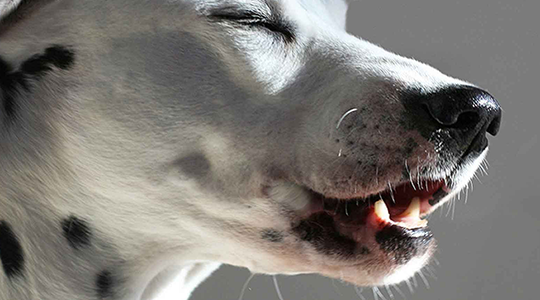
When Is It Time to Bring Your Dog to the Veterinarian?
While occasional coughing may not be a cause for alarm, persistent or severe coughing should always be evaluated by a veterinarian. Other signs that require immediate attention include:
-
Coughing with blood or thick mucus
-
Difficulty breathing
-
Lethargy or lack of appetite
-
Sudden or rapid weight loss
How to Treat Dog Coughing: Home Remedies vs. Professional Care
Home Remedies
-
Humidifier: Using a humidifier can help soothe your dog’s airways and reduce coughing caused by dry air or respiratory irritation.
-
Honey: A small amount of honey can soothe the throat and reduce coughing in dogs with minor irritations.
-
Coconut Oil: Adding a small amount of coconut oil to your dog’s food can help reduce inflammation and improve overall respiratory health.
Professional Treatment
-
Antibiotics: For bacterial infections like kennel cough or respiratory infections, a vet may prescribe antibiotics to eliminate the bacteria.
-
Cough Suppressants: If your dog’s cough is persistent and causing distress, your vet may recommend a cough suppressant.
-
Bronchodilators: For dogs with airway constriction, such as those with collapsing trachea or asthma, bronchodilators may be used to open up the airways.
How to Prevent Dog Coughing
Prevention of coughing in dogs starts with maintaining overall health and taking specific precautions to reduce exposure to harmful factors.
Regular Veterinary Check-ups
Regular visits to the vet help in the early detection of heart disease, respiratory infections, and other underlying conditions that may cause coughing.
Vaccination
Vaccinating your dog against common infectious diseases such as kennel cough and canine influenza can significantly reduce the risk of coughing caused by viral or bacterial infections.
Preventing Exposure to Sick Dogs
Avoid taking your dog to places where they might encounter sick dogs, such as dog parks, kennels, or grooming salons, especially during an outbreak of kennel cough or other contagious illnesses.
Use a Harness
Avoid using collars that can place pressure on your dog’s trachea, especially if your dog is prone to coughing from a collapsed trachea. A harness is gentler on the neck.
Healthy Diet and Exercise
Ensure your dog has a balanced diet and gets regular exercise to maintain a healthy weight and prevent heart disease, which can contribute to coughing.
Conclusion
Dog Coughing is not always a cause for concern, but it can also indicate serious health issues. If your dog’s cough is persistent, accompanied by other symptoms, or is worsening, it’s important to seek veterinary advice. Early diagnosis and treatment are key to ensuring your dog’s health and comfort. Additionally, regular vet visits, vaccinations, and a healthy lifestyle can help prevent many conditions that lead to coughing.