
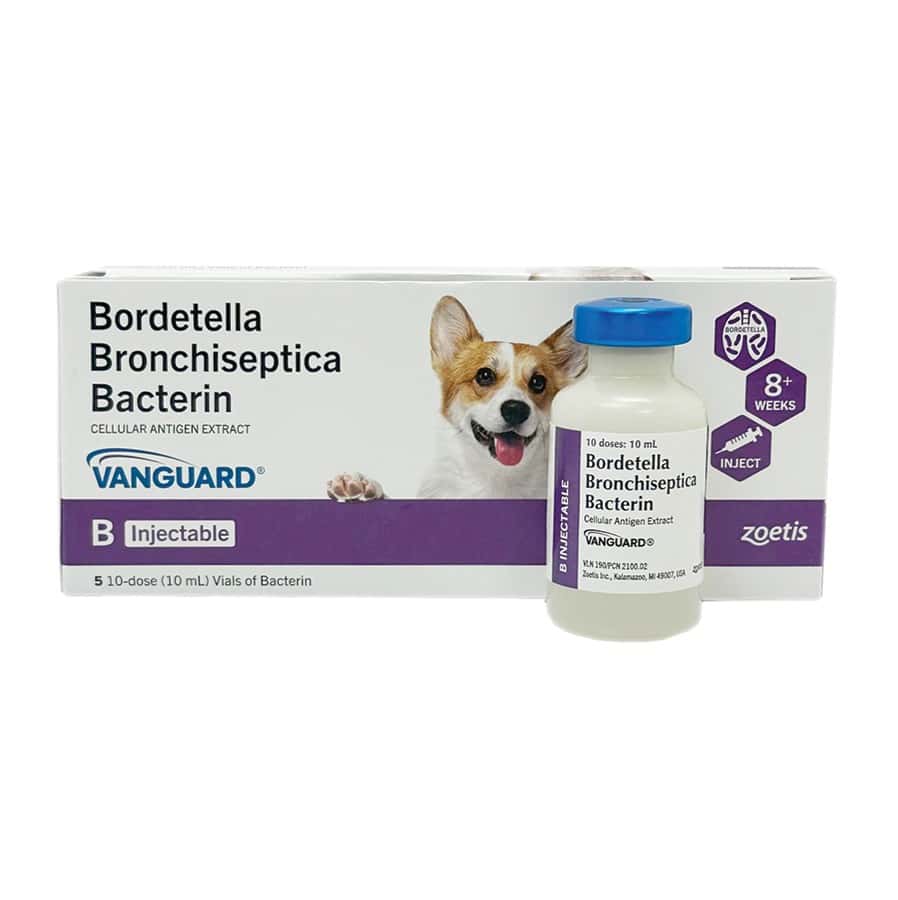
The Bordetella vaccine for dogs is one of the most common and important preventive health measures recommended, especially those who interact with other pets. It protects against Bordetella bronchiectasis, a primary bacteria responsible for kennel cough, a fast-spreading respiratory infection in dogs. Because kennel cough can affect dogs of all ages and lifestyles, pet owners today consider this vaccine an essential part of a dog’s wellness routine.
Mt Puppy Cares explains what the Bordetella vaccine is, how it works, who needs it, how often it should be given, side effects, cost, risks of skipping the vaccine, and how it fits into a dog’s overall vaccination schedule.
What Is the Bordetella Vaccine for Dogs?
The Bordetella vaccine For Dogs, also known as the kennel cough vaccine, is a preventive immunization that protects dogs from Bordetella bronchiectasis, a bacteria that inflames the dog’s respiratory airways. This bacteria often combines with viruses like parainfluenza, adenovirus, and canine influenza—which is why kennel cough spreads so easily in social environments.
Why Do Dogs Need the Bordetella Vaccine?
1. Kennel Cough Is Extremely Contagious
Kennel cough spreads through:
-
Coughing or sneezing droplets
-
Shared water bowls
-
Close contact with other dogs
-
Contaminated surfaces or toys
Just one infected dog can spread the bacteria to every dog in the environment.
2. High-Risk Areas Include
-
Boarding kennels
-
Grooming salons
-
Doggy daycare
-
Dog parks
-
Training centers
-
Shelters and rescue homes
These places often require proof of Bordetella vaccination.
3. Helps Prevent Severe Respiratory Illness
While kennel cough is often mild, it can become serious in:
-
Puppies
-
Older dogs
-
Dogs with weak immune systems
-
Dogs with chronic respiratory problems
How the Bordetella Vaccine Works
The vaccine introduces a safe, weakened form of Bordetella bacteria that teaches the immune system to fight infection more effectively.
There are three types of Bordetella vaccines:
1. Injectable Vaccine (Subcutaneous Shot)
-
Stimulates internal immune response
-
Usually given to puppies
2. Intranasal Vaccine (Nasal Spray)
-
Fastest immune response
-
Delivered into the nostril
-
Common for adult dogs
3. Oral Vaccine (Liquid Syringe into Mouth)
-
Easy to administer
-
Mild taste, low discomfort
Symptoms the Bordetella Vaccine For Dogs Helps Prevent
The vaccine reduces or prevents the following symptoms:
-
Dry, honking cough (most common sign)
-
Gagging or retching
-
Nasal discharge
-
Sneezing
-
Mild fever
-
Difficulty breathing in severe cases
-
Lethargy or low energy
Even if infection occurs, symptoms are far milder in vaccinated dogs.
Dog Vaccination Schedule: How Often Should Dogs Get Bordetella?
Puppies
-
First dose at 6–8 weeks old
-
Booster dose 2–4 weeks later
Adult Dogs
-
Every 6–12 months, depending on exposure
-
High-risk dogs may require biannual boosters
Dogs Boarding or Traveling
Most boarding facilities require a recent Bordetella shot within the last 6 months.
Who Should DEFINITELY Get the Bordetella Vaccine?
Your dog absolutely needs this vaccine if they:
-
Attend grooming appointments
-
Visit dog parks
-
Travel frequently
-
Stay at boarding kennels
-
Attend obedience school
-
Live in multi-dog homes
-
Interact with neighbor dogs regularly
Even if a dog stays mostly at home, any exposure can lead to infection.
Is the Bordetella Vaccine Mandatory?
Not legally. But it is required by most pet service providers, such as:
-
Groomers
-
Boarding centers
-
Veterinarians (for procedures)
How Long Does the Bordetella Vaccine Last?
Depending on the formulation:
-
6 months (most daycare/boarding preferred)
-
12 months for standard protection
-
Intranasal vaccines may take effect within 48–72 hours
Side Effects: Is the Bordetella Vaccine Safe?
The vaccine is widely considered safe, with mild, temporary side effects such as:
-
Mild coughing or sneezing
-
Slight fever
-
Nasal irritation
-
Temporary loss of appetite
-
Fatigue for 24 hours
Severe allergic reactions are very rare. Dogs with immune disorders should be evaluated individually by a vet.
What Happens If a Dog Doesn’t Get the Bordetella Vaccine?
Skipping the vaccine may lead to:
-
Higher risk of kennel cough infection
-
Longer illness recovery time
-
Potential pneumonia in severe cases
-
Inability to board, groom, or socialize
-
Increased risk to other pets in the household
Unvaccinated dogs often have more severe coughing and complications.
How Much Does the Bordetella Vaccine Cost?
Typical cost:
-
$20–$45 per dose
-
Intranasal vaccine may cost slightly more
-
Many clinics offer vaccine packages
How Effective Is the Bordetella Vaccine?
-
Reduces infection risk by 60–90%
-
Greatly reduces illness severity
-
Helps stop outbreaks in social environments
-
Works best when boosted regularly
No vaccine is 100% effective, but this one is highly beneficial.
Can Dogs Still Get Kennel Cough After the Bordetella Vaccine?
Yes, but symptoms are usually:
-
Much milder
-
Short-lived
-
Easier to treat
Just like human flu vaccines, it reduces the impact rather than guaranteeing zero infection.
When Should Dogs Not Receive the Bordetella Vaccine?
Consult your vet if your dog:
-
Is immunocompromised
-
Has severe allergies
-
Has a chronic respiratory condition
-
Is on immune-suppressive medication
In rare cases, the vet may recommend avoiding the intranasal form.
Final Summary: Why the Bordetella Vaccine Matters
The Bordetella vaccine For Dogs is a crucial part of preventive pet healthcare. It protects dogs from a highly contagious respiratory disease, reduces the severity of symptoms, and ensures safe participation in grooming, daycare, and boarding environments. With regular boosters, most dogs stay healthy, active, and socially confident.
The vaccine is affordable, effective, safe, and widely recommended by veterinarians worldwide.