
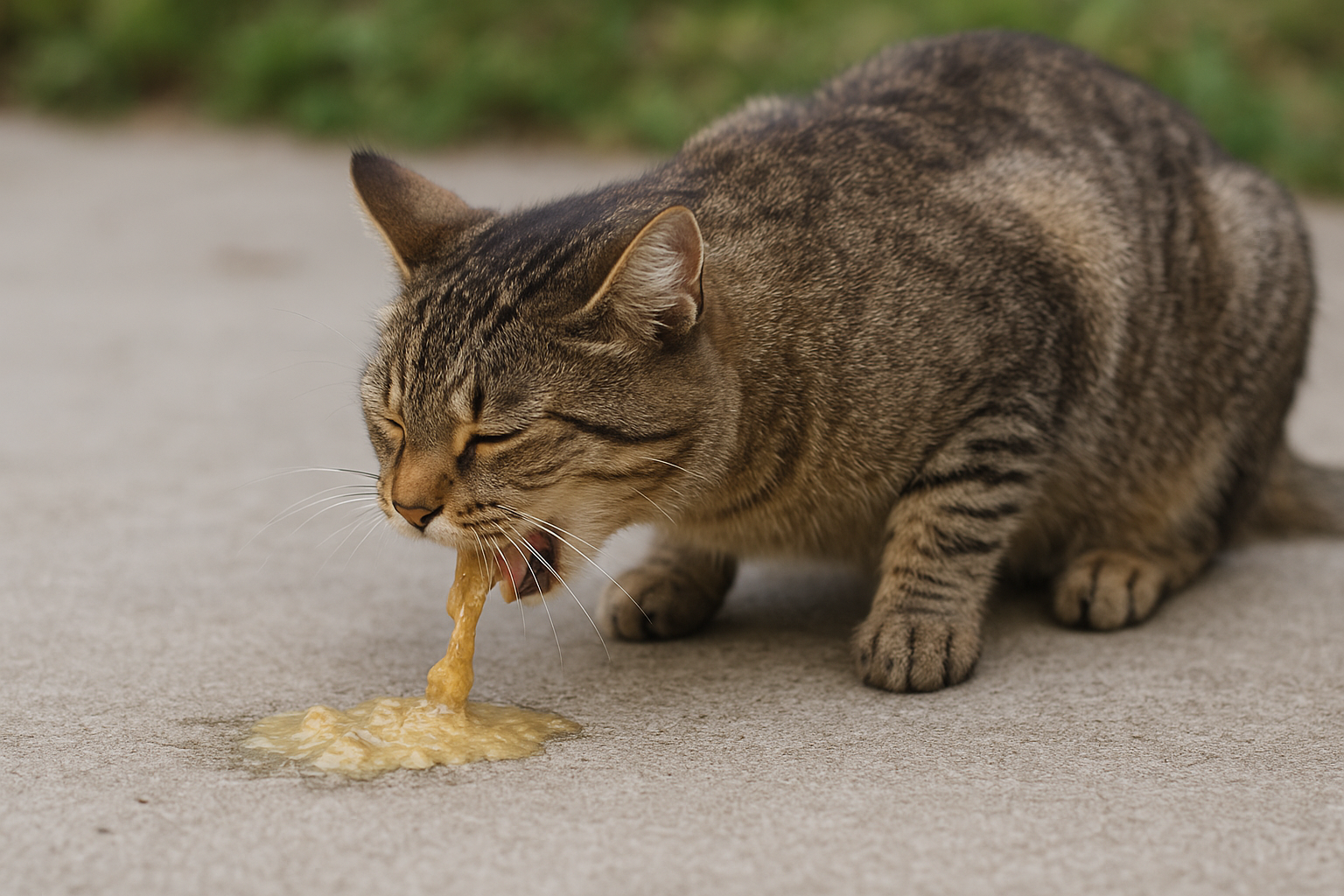
It’s not normal to see a cat throwing up on a regular basis. Vomiting is a serious problem in cats for two main reasons. Vomiting can indicate a serious health problem. It is also important to note that vomiting can be painful and stressful. This can make your cat anxious or not feel well. You should try to find out the cause of your cat’s vomiting as soon as possible.
Acute and chronic vomiting are the two types of vomiting that cats can experience. Acute vomiting is a sudden onset, usually short-lived, and can resolve itself. Acute vomiting can become chronic and worsen if the cause is not treated or removed. Chronic vomiting can occur regularly or occasionally for a period of a week.
Acute and chronic vomiting are the two types of vomiting that cats can experience. Acute vomiting is a sudden onset, usually short-lived, and can resolve itself. Acute vomiting can become chronic and worsen if the cause is not treated or removed. Chronic vomiting can occur regularly or occasionally for a period of a week.
Common causes of vomiting in cats
Various factors can cause cats to vomit chronically or suddenly. Watch your cat closely to see if it has eaten something they shouldn’t have or is feeling stressed.
Stress
Moving, holidays, having a new baby or pet in the house, or home renovations are all stressful events.
What they’ve eaten
Ingesting toxins, such as antifreeze or lead, or foreign bodies (such as string, rubber band, thread, toys, plastic, etc.) can also cause cats to vomit. They may be allergic to a particular food (usually their main source of protein). Some medications can cause your cat’s vomiting.
Infection
A number of common diseases can cause your cat to vomit. These include GI worms, a stomach infection, FeLV (Feline Leukemia Virus), FIV(Feline Immunodeficiency Virus), FIP (feline infective peritonitis) or Panleukopenia (feline distemper). Even heartworm can make your
cat vomit.
Other Problems within the Gastrointestinal Tract
This includes stomach ulcers, IBD or neoplasia.
Other Diseases in the Body
This includes kidney disease, liver diseases, heartworms and hyperthyroidism.
How to Comfort a Vomiting Cat with Easy At-Home Care
If your cat is otherwise healthy (without chronic diseases such as diabetes or chronic kidney disease), and vomits once or twice in a 24-hour period, but seems fine (peeing normally, normal energy and bowel movements; eating normally, acting normally), your veterinarian may recommend withholding food for a day. Your veterinarian may suggest that you withhold food for one day and observe your cat if your cat is otherwise healthy (without chronic diseases like diabetes or chronic kidney disease).
Cats who have pre-existing illnesses, are not eating or vomiting, have diarrhea, are hiding, have decreased energy levels, are in pain, are hiding, are sick, are hiding, are in pain, are suffering from a condition, should see their veterinarian as soon as possible (within 24 hours).
Your veterinarian will want to see you as soon as possible if your cat vomits more than twice in 24 hours. Prolonged vomiting can cause dehydration, electrolyte imbalances and acid/base imbalances that can worsen the prognosis.
What a Veterinarian Can Do to Help Stop Your Cat Throwing Up
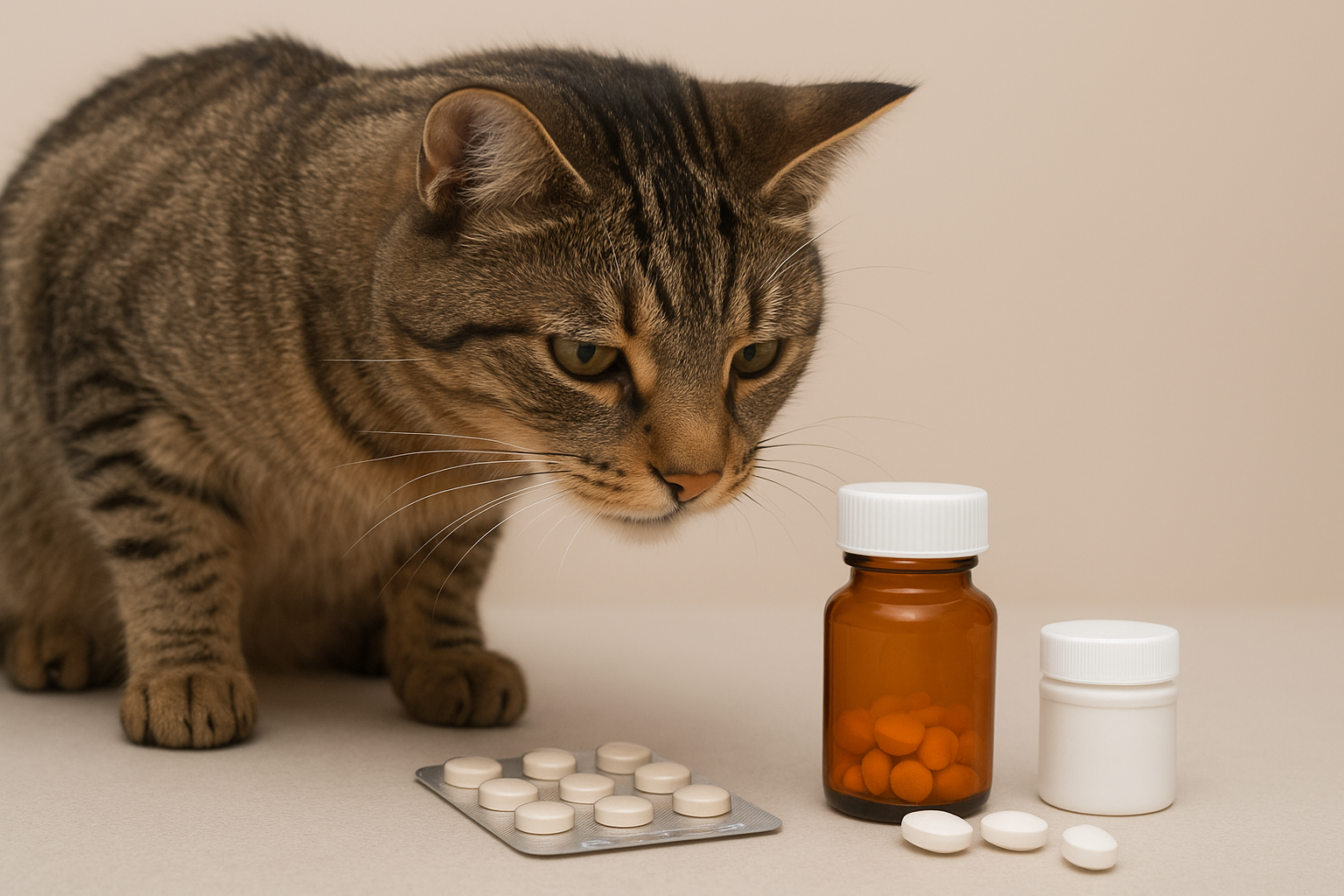
Your vet will examine your cat and take a detailed medical history when you bring your cat in for acute vomiting. Your cat will be assessed for dehydration and any other problems that could have arisen from vomiting. They will then likely recommend further testing to determine the cause, including a stool analysis, blood tests, urine tests, X-rays or abdominal ultrasound exams. Based on the cat’s medical history, physical exam, and test results, your vet may prescribe anti vomiting medication or administer it. They can also treat any dehydration that has occurred and correct other problems.
What can you do to reduce the chance that your cat vomits?
It’s good to know that vomiting is often caused by a variety of causes. Monthly parasiticide can prevent GI worms, heartworms, and other parasites. Make sure your cat has all their vaccinations up-to-date to prevent infectious causes of vomiting, such as FeLV and FIV. A balanced diet and keeping harmful chemicals and toxins out of reach will help prevent your cat from eating things they shouldn’t. Finally, bringing your cat in for annual exams will help you to identify chronic conditions like liver or kidney disease or diabetes.
It is not normal for your cat to vomit regularly. Your veterinarian can help you find out the cause of your cat’s vomiting and how to stop it. This will help enhance your cat’s overall well-being.